Working on cross-country pipelines presents a unique set of safety, health, and environmental challenges. These assets often run through rural land, private property, farmland, and environmentally sensitive areas, meaning risks extend beyond the pipeline itself. For anyone involved in construction, maintenance, inspection, or supervision, understanding those risks, and your responsibilities, is essential.
This is where SHEA Cross Country Pipelines training plays a critical role. Designed specifically for individuals requiring access to operational pipeline sites, it ensures workers operate safely, legally, and in line with industry expectations across the UK utilities sector.
What Are Cross Country Pipelines?
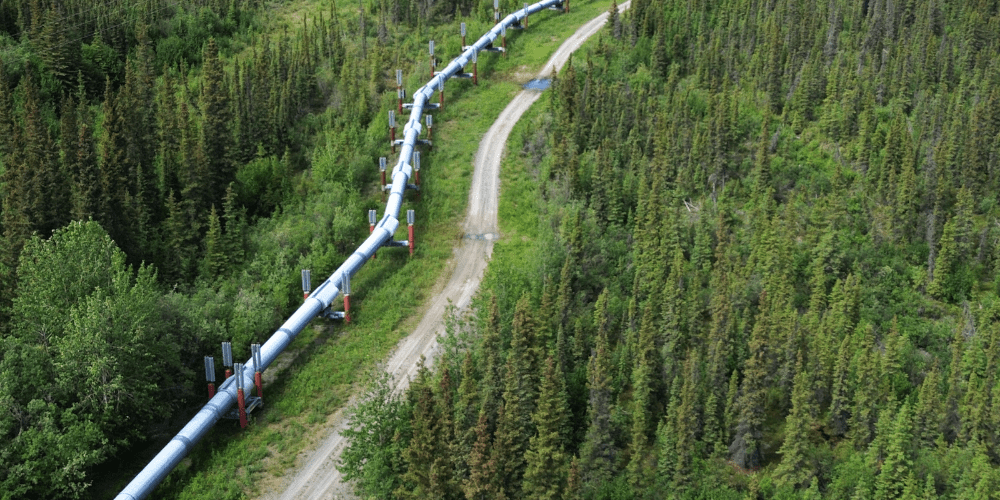
Cross country pipelines are underground or above-ground pipeline systems that transport gas, oil, water, or other substances across long distances. Unlike pipelines located within industrial sites, these assets often pass through:
- Agricultural land
- Private property
- Woodland and protected areas
- Public rights of way
- Construction corridors
Because they sit outside controlled industrial environments, cross country pipelines introduce additional hazards linked to land access, environmental protection, third-party safety, and remote working.
Anyone working on or near these pipelines must understand not just the engineering risks, but also the broader safety and environmental responsibilities that come with operating across diverse locations.
Key Safety Risks When Working on Cross Country Pipelines
Physical and Environmental Hazards
One of the most significant risks is excavation work near live pipelines. Ground conditions can be unpredictable, particularly in rural areas where soil stability varies and weather conditions change rapidly. Slips, trips, collapses, and plant interface incidents are common causes of injury.
Environmental hazards also play a major role. Pipeline routes frequently cross watercourses, farmland, and ecologically sensitive areas. Poor environmental controls can lead to pollution, habitat damage, or breaches of environmental law — all of which carry serious legal and financial consequences.
Operational and Equipment Risks
Heavy plant, lifting operations, and vehicle movements are common on pipeline projects. When combined with restricted access routes and uneven terrain, these increase the likelihood of incidents. Working around pressurised systems adds another layer of risk, making procedural compliance essential.
Interface with other utility services, such as electricity, telecoms, or water infrastructure, further increases complexity and highlights the need for clear communication and safe systems of work.
Legal Responsibilities and Duty of Care
UK health and safety legislation places clear duties on both employers and individuals. Employers must ensure workers are competent, trained, and adequately supervised. Workers must follow procedures, use equipment correctly, and report hazards or near misses.
Environmental law also plays a key role in pipeline work. Activities such as excavation, waste handling, and reinstatement must be carried out responsibly, particularly where pipelines cross land boundaries or protected areas.
Completing recognised training, such as SHEA Cross Country Pipelines, helps demonstrate compliance with safety executive guidance and shows that individuals understand their legal and environmental responsibilities when accessing operational sites.
Why SHEA Cross Country Pipelines Training Is Essential
The SHEA Cross Country Pipelines course is specifically designed to address the risks and responsibilities associated with working on pipeline infrastructure outside traditional industrial sites.
The course builds on the SHEA Core framework and introduces pipeline-specific content that reflects real-world working conditions. Successful completion provides recognised EUSR registration, which is often a requirement for access to operational pipeline sites.
This training is not about ticking a box. It equips workers with the knowledge needed to operate safely, communicate effectively, and meet the expectations of utility operators, contractors, and regulators.
Responsibilities of Workers and Contractors
Individual Responsibilities on Site
Every individual working on cross country pipelines has a responsibility to:
- Follow site-specific risk assessments and method statements
- Understand pipeline hazards and exclusion zones
- Use safe systems of work at all times
- Report unsafe conditions, near misses, or environmental concerns
Training supports behavioural awareness, helping workers recognise risks before they escalate into incidents.
Contractor and Supervisor Responsibilities
Contractors and supervisors carry additional responsibilities, including:
- Ensuring teams hold valid, in-date certification
- Coordinating activities across multiple landowners and stakeholders
- Managing interfaces with other utilities and contractors
- Enforcing consistent safety and environmental standards
Proper training reduces delays, prevents non-compliance, and supports smoother project delivery.
How Training Reduces Incidents and Project Delays
Projects involving cross country pipelines are often high-risk and time-sensitive. A lack of understanding around procedures, environmental responsibilities, or site access requirements can quickly lead to work stoppages or enforcement action.
SHEA Cross Country Pipelines training helps reduce these risks by:
- Improving hazard awareness and decision-making
- Supporting clear communication across teams
- Reducing environmental incidents and compliance breaches
- Increasing confidence when working in remote or sensitive locations
Well-trained teams are safer, more efficient, and better equipped to deal with unexpected challenges.
Who Should Complete SHEA Cross Country Pipelines Training?
This training is suitable for a wide range of roles, including:
- Pipeline operatives and engineers
- Construction and maintenance contractors
- Supervisors and site managers
- Anyone requiring authorised access to cross country pipeline operational sites
If your role involves working on or near pipeline infrastructure, this course provides the foundation needed to operate safely and responsibly.
Building a Safer Pipeline Workforce
Cross country pipelines are critical national assets, and the people who work on them play a vital role in maintaining safety, reliability, and environmental protection. Training ensures that responsibility is shared across the workforce, from individual operatives to senior supervisors.
By investing in recognised training such as SHEA Cross Country Pipelines, organisations protect their people, reduce risk, and demonstrate a clear commitment to industry standards. Get in touch to learn more about SHEA Cross Country Pipelines training.