Working in drainage and sewerage environments exposes operatives to a unique combination of health, safety, and environmental risks. Wastewater systems play a critical role in protecting public health, yet the conditions within them can pose serious dangers to those responsible for maintaining and repairing them. From biological hazards to confined spaces and unpredictable flow conditions, drainage work demands a high level of awareness, competence, and preparation.
For organisations and individuals operating across the utilities sector, protecting health in wastewater environments is not just a regulatory requirement. It is essential for preventing long-term illness, reducing accidents, and ensuring that essential infrastructure work is carried out safely and responsibly.
Understanding the Nature of Wastewater Environments
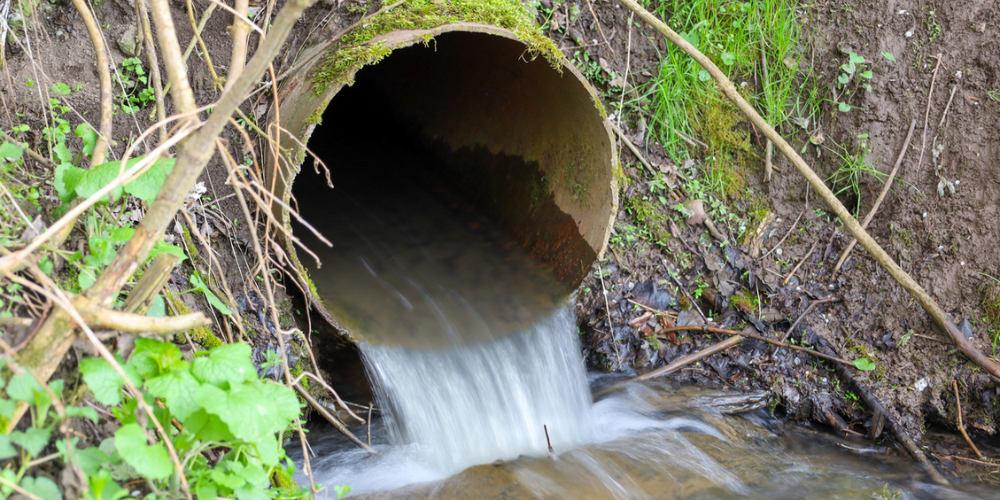
Wastewater environments include public sewers, private drainage systems, pumping stations, treatment works, manholes, and associated infrastructure. These environments are designed to transport and treat waste from homes, businesses, and industrial sites. As a result, they often contain a mixture of human waste, chemicals, surface water runoff, and industrial by-products.
Unlike many other work environments, conditions in wastewater systems can change rapidly. Water levels can rise without warning, gases can accumulate quickly, and access points are often limited. These factors combine to create high-risk workplaces where hazards are not always visible and where mistakes can have serious consequences.
Understanding how wastewater systems operate is a fundamental part of working safely within them. This includes knowing how flow patterns work, where pressure points exist, and how external factors such as weather can affect conditions underground.
Biological Hazards and Health Risks
One of the most significant risks in wastewater environments comes from biological exposure. Sewage can contain bacteria, viruses, parasites, and other pathogens that pose serious health risks if inhaled, ingested, or absorbed through cuts and abrasions. Conditions such as leptospirosis (Weil’s disease), hepatitis, and gastrointestinal infections are well-documented risks for drainage workers.
Repeated exposure to wastewater without adequate controls can also lead to long-term health issues. Skin conditions, respiratory problems, and infections can develop over time if hygiene practices are poor or personal protective equipment is not used correctly.
Training plays a vital role in helping workers recognise these risks and understand how to minimise exposure. This includes learning safe hygiene practices, correct use of protective equipment, and the importance of health monitoring and reporting symptoms early.
Hazardous Gases and Atmospheric Risks
Wastewater systems often generate hazardous gases as organic matter breaks down. Hydrogen sulphide, methane, and carbon dioxide are commonly present in sewer environments. These gases can be toxic, flammable, or capable of displacing oxygen, leading to dizziness, unconsciousness, or death.
What makes these risks particularly dangerous is that many hazardous gases are invisible and may not be detected without proper monitoring equipment. Workers may enter a space that appears safe, only to be overcome within minutes.
Understanding atmospheric risks is a key component of working safely around wastewater. This includes knowing when gas testing is required, how ventilation systems should be used, and why confined space controls must be followed without exception.
Confined Spaces and Restricted Access
Many drainage environments are classified as confined spaces due to limited entry and exit points, poor ventilation, and the presence of hazardous substances. Manholes, chambers, tanks, and pumping stations often restrict movement and make escape difficult in an emergency.
Confined spaces significantly increase the severity of incidents. A slip, collapse, or sudden release of wastewater can quickly become life-threatening when escape routes are limited. Rescue operations in confined spaces are also highly dangerous, particularly if untrained personnel attempt to assist.
Working safely in these environments requires careful planning, clear communication, and strict adherence to safe systems of work. Training helps ensure that workers understand when confined space procedures apply, how to assess risks, and why permit systems and supervision are essential.
Physical and Environmental Hazards
In addition to biological and atmospheric risks, wastewater environments present a wide range of physical hazards. Slippery surfaces, uneven ground, poor lighting, and manual handling challenges are common. Equipment and pipework may be corroded or structurally weakened, increasing the risk of collapse or injury.
Environmental conditions can further complicate work. Cold, damp environments increase fatigue and reduce dexterity, while noise and vibration from equipment can impact concentration. These factors contribute to a higher likelihood of accidents if not properly managed.
Recognising and controlling these hazards requires a combination of technical knowledge and practical awareness. Training supports this by helping workers identify common hazards, apply control measures, and adapt safely to changing conditions on site.
Legal Duties and Industry Expectations
UK legislation places clear responsibilities on employers and workers to manage risks in wastewater environments. Health and safety law requires that risks are assessed, controlled, and communicated, and that workers are competent to carry out their tasks safely.
In the utilities sector, compliance goes beyond legislation. Water companies, local authorities, and principal contractors often require evidence of sector-specific training before granting access to operational sites. This ensures a consistent standard of safety across contractors and reduces the likelihood of incidents caused by lack of awareness or misunderstanding.
Training aligned with recognised industry schemes provides reassurance that workers understand their responsibilities, the hazards they face, and the controls required to protect themselves and others.
The Role of Training in Protecting Health
Training is a critical control measure in wastewater safety. It equips workers with the knowledge needed to identify risks, apply safe working practices, and respond appropriately when conditions change. Importantly, it also reinforces the importance of behavioural awareness, encouraging workers to challenge unsafe practices and prioritise health over speed or convenience.
Effective training does not just focus on rules. It explains why procedures exist, how incidents occur, and what the consequences can be when controls are ignored. This deeper understanding supports better decision-making and helps build a culture of safety across teams.
Training also provides evidence of competence, which is increasingly important in regulated environments. It demonstrates that individuals have been assessed, understand their role, and can work safely within complex wastewater systems.
Supporting Long-Term Health and Safety
Protecting health in drainage environments is about more than preventing immediate accidents. It also involves managing long-term exposure risks, supporting wellbeing, and ensuring that workers can continue to perform their roles safely over time.
By investing in appropriate training and maintaining high standards of workplace practice, organisations can reduce sickness absence, improve morale, and protect their workforce. This benefits not only individual workers but also the wider community that relies on safe and effective wastewater infrastructure.
Why Wastewater Safety Cannot Be Overlooked
Wastewater systems are essential to modern life, but working within them carries unavoidable risks. These risks can be managed, however, through proper understanding, planning, and training. Protecting health in drainage environments requires a commitment to safety at every level, from individual operatives to organisational leadership.
Training plays a central role in this process. It ensures that those working around wastewater are prepared, informed, and capable of managing the challenges they face. In an industry where conditions can change rapidly and hazards are often hidden, that preparation can make the difference between a safe working day and a serious incident.
For anyone involved in drainage and sewerage work, understanding wastewater risks and how to control them is not optional. It is a fundamental requirement for working safely, protecting public health, and maintaining trust across the utilities sector. To find out more, explore our SHEA Sewer and Drains training today.