
Working on gas networks involves many tasks. Some are routine and follow standard procedures. Others require extra caution because of elevated hazards. For those tasks, a robust permit‑to‑work (PtW) system provides structure, clarity and safety. Under the SCO scheme, PtW forms a core part of compliance and safe operations.
This article outlines what a Permit‑to‑Work system is, how the SCO Core PtW FoA training supports safe operations, who must hold PtW competence, and why following PtW processes matters. If you need PtW training or certification, see our SCO course options.
What Is a Permit‑to‑Work System?
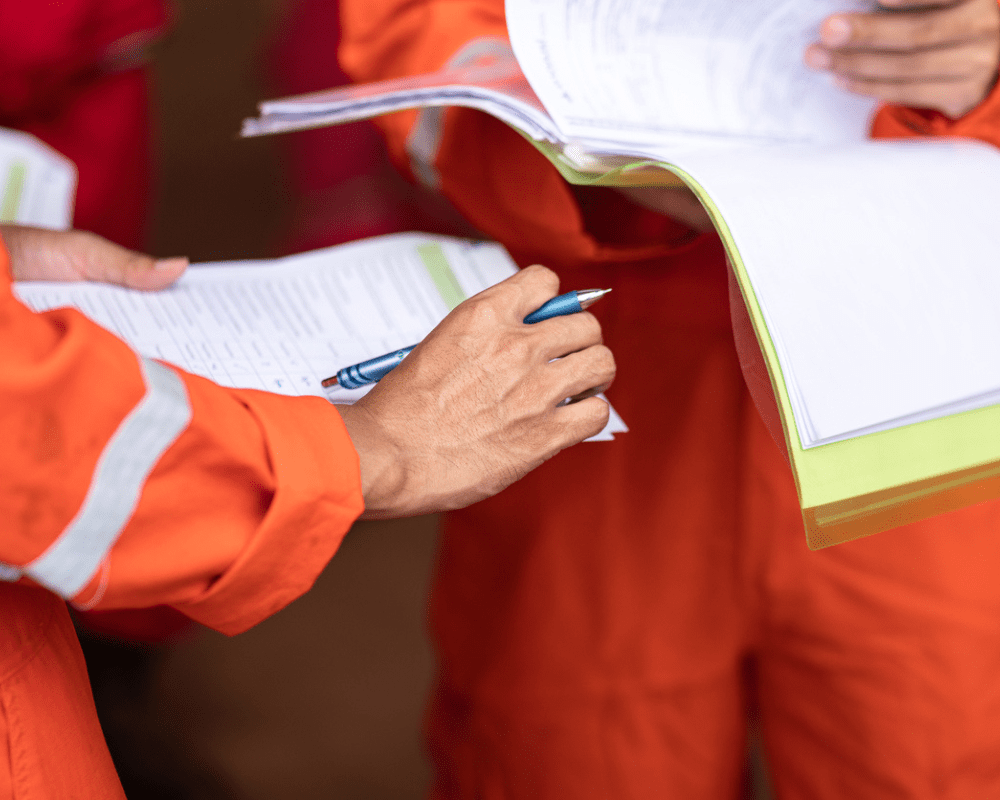
A permit‑to‑work system provides a structured, documented method to authorise and control higher‑risk tasks. It sets out what work will be done, when, where and under what conditions. The system ensures that hazards are assessed, control measures are in place, responsibilities are clear, and all involved understand the risks before work begins.
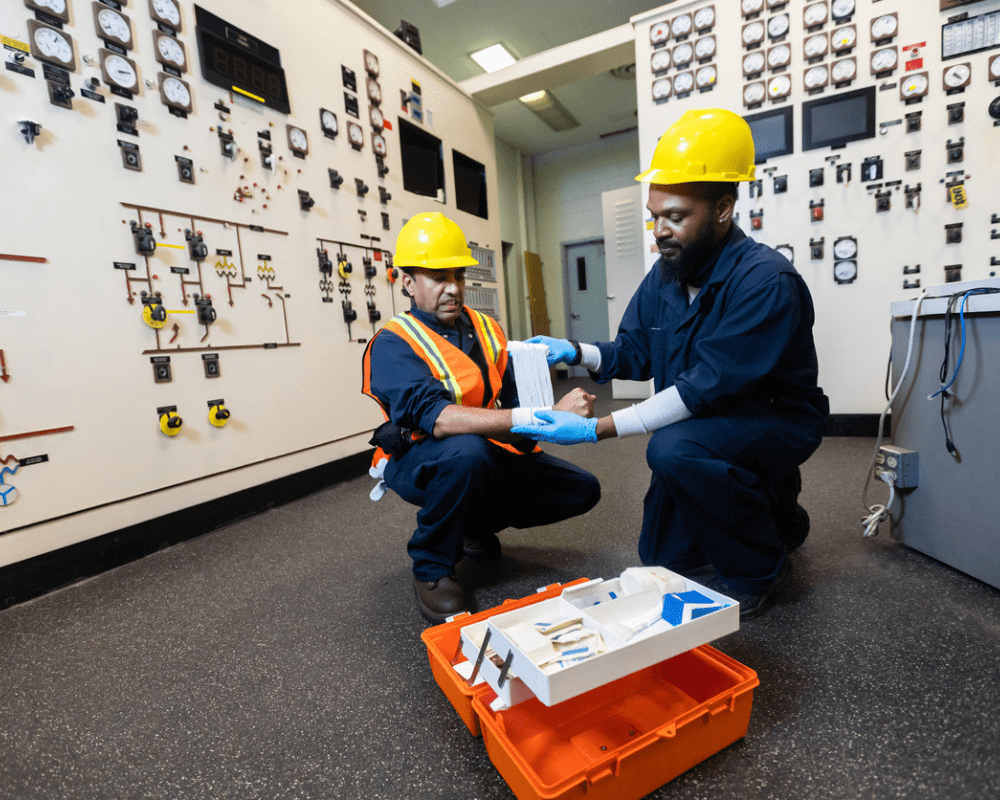
In gas and other hazardous industries, PtW makes complex or dangerous tasks safer. It formalises communication among supervisors, site managers and workers. It ensures safety checks, isolation where required, and appropriate precautions, especially when live systems, confined spaces, hot work or gas pressure systems are involved.
A permit does not replace risk assessment or safe systems of work. Instead, it supports them. Issuing a permit or accepting one must follow a rigorous process, with a clear hand‑back or sign‑off when work is complete or suspended.
How the SCO Scheme Regulates Permit‑to‑Work Procedures
The SCO scheme provides the standardised framework for safe gas‑network operations. Under SCO, PtW is one of the core modules alongside Core knowledge, Form of Authority (FoA), Routine Operations (RO), and Non‑Routine Operations (NRO).
The scheme ensures every person handling PtW, whether issuing, authorising or executing, has the correct training and understanding of the gas network procedures. Trainers issue distinct certifications depending on role: Competent Person (CP) or Authorising Engineer (AE).
Under the latest safety standard for UK gas networks, IGEM/GL/6 Edition 3, gas companies must adopt risk‑based permitry for operational control, covering routine and non‑routine work. PtW forms a key part of these procedures.
At Jason Rowley Ltd, we deliver PtW training aligned with SCO and IGEM/GL/6. Our courses cover issuing permits, isolations, permit forms, documentation, record‑keeping and audit processes.
Roles and Responsibilities: Competent Person vs Authorising Engineer
A PtW system depends on clear roles. Under SCO, the main roles are:
Competent Person (CP): receives PtW training and handles or carries out permit‑controlled tasks under guidance.
Authorising Engineer (AE): reviews and approves permit‑to‑work requests, checks hazard assessments, confirms control measures, and authorises work to start.
Training and assessment differ depending on role. For PtW, CP and AE candidates follow defined SCO assessment paths. This ensures that each person has knowledge appropriate to their responsibilities.
Employing organisations’ responsible engineers determine who needs CP or AE registration. The correct role assignment ensures safe and compliant operations under gas network procedures.
What a Proper Permit Looks Like: Key Elements
A permit‑to‑work document under SCO should contain the following essential elements:
- Clear description of the work to be done, what, where and when.
- Identification of hazards associated with the job (gas presence, pressure, confined space, hot work, etc.).
- Specified control measures needed to mitigate hazards (isolation, ventilation, PPE, supervision).
- Details of personnel involved, who issues the permit, who carries out the work, who supervises.
- Start and end times, with any conditions or checks before execution, and hand‑back or cancellation when work completes.
- Communication of permit status, especially if multiple permits apply or tasks overlap.
These elements follow best-practice guidance for permit‑to‑work systems used across hazardous industries.
The PtW system functions as a form of controlled communication. It ensures every task is understood, risks are managed, and responsibilities are clear.
Common Mistakes and How to Avoid Them
A permit‑to‑work system only works if properly followed. Common mistakes include:
- Issuing permits for work without a full hazard assessment.
- Starting work before isolation, verification or control measures are complete.
- Poor communication between authorisers, workers and supervisors.
- Failure to cancel or hand‑back permits after completion, leading to confusion or safety risks in subsequent shifts.
- Using generic permits rather than task-specific documentation when required.
These mistakes increase risk of gas leaks, accidents, or regulatory non‑compliance. They may also hold up projects if access gets denied or work is halted.
Completing a formal PtW training helps avoid these pitfalls. Training familiarises you with correct formats, processes, and responsibilities under SCO.
How Jason Rowley Ltd Supports SCO PtW Training
Our SCO Core PtW FoA course combines theory and practical work to ensure you understand safe gas network procedures. Key features:
- Comprehensive coverage of permit‑to‑work systems, issue, accept, cancel, hand‑back and audit.
- Realistic scenarios and case studies to help you apply what you learn in everyday gas network work.
- Distinct assessment pathways for CP and AE candidates, ensuring correct role registration under the scheme.
- Official EUSR registration and certification, accepted across UK gas networks.
- Support with renewal courses, group bookings, and employer compliance needs.
Whether you’re new to gas operations or require refresh training, our PtW training ensures you meet legal, safety and network standards.
When Do You Need a Permit Under SCO?
You must use a permit under SCO when tasks involve higher risk, including:
- Hot work (welding, cutting) or work on live systems.
- Pipework modifications, pressure system adjustments, or meter installation/maintenance.
- Confined space entry, excavation or any work that could endanger safety without strict control.
- Work requiring network isolation, equipment shutdown, or deviations from routine procedures.
Even in maintenance or refurbishment tasks, if there is potential danger or risk to the network or personnel, a valid permit should be issued before starting work.
If you regularly carry out such tasks, you need valid PtW certification under SCO.
Get Proper PtW Training at Jason Rowley Ltd
A permit‑to‑work system is more than paperwork. It is a vital safety mechanism ensuring gas network tasks proceed with risk awareness, proper control, and clear responsibility. Under the SCO scheme, having correct PtW competence, as a Competent Person or Authorising Engineer, ensures compliance and safety.
At Jason Rowley Ltd, we provide PtW training that meets industry standards, prepares you for real‑world work, and supports your career in gas network operations.
If you need PtW registration or a refresh, book the SCO Core PtW FoA course today or call 0800 001 6740 to discuss group bookings and bespoke scheduling.