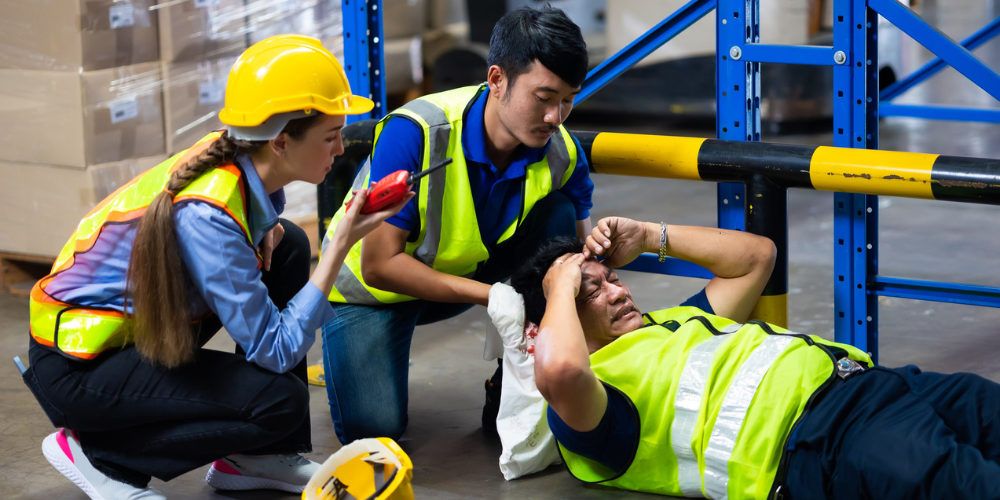
Many people associate first aid with dramatic scenarios, but the reality is that workplace emergencies are often sudden, unpredictable, and varied. From cardiac arrest to simple falls that escalate quickly, the ability to respond calmly and correctly can make a critical difference.
This is why trained emergency first aiders play such an important role across UK workplaces. Emergency First Aid at Work training prepares individuals to deal with the most common and serious incidents they are likely to face. Understanding these scenarios helps employers appreciate the value of proper training and helps first aiders feel confident in their role.
Why Emergency First Aid Skills Matter
When an incident occurs, the first few minutes are crucial. Emergency services may take time to arrive, especially in remote or industrial locations. A trained first aider bridges that gap, stabilising the situation and preventing further harm.
Workplaces that invest in Emergency First Aid at Work training are better equipped to manage emergencies, reduce panic, and improve outcomes for injured or unwell individuals.
Cardiac Arrest and Sudden Collapse
Sudden cardiac arrest remains one of the most serious workplace emergencies. It can happen to anyone, regardless of age or health, and survival depends heavily on immediate action.
Emergency first aiders are trained to:
- Recognise cardiac arrest
- Begin CPR immediately
- Use an automated external defibrillator (AED)
Early defibrillation dramatically increases survival rates. This is why many organisations choose to complement emergency first aid qualifications with dedicated AED and CPR training, ensuring staff are confident using life-saving equipment.
Severe Bleeding and Traumatic Injuries
Serious bleeding can result from machinery accidents, sharp tools, falls, or vehicle incidents. Without prompt intervention, blood loss can quickly become life-threatening.
Emergency first aiders learn how to:
- Control bleeding safely
- Protect themselves and the casualty
- Manage shock until help arrives
These practical skills are essential in utilities, construction support roles, and environments where physical tasks are routine.
Unconscious Casualties
Loss of consciousness can occur due to head injuries, medical conditions, or sudden illness. Emergency first aiders must act quickly to assess breathing and maintain an open airway.
Training covers:
- Primary survey techniques
- Placing casualties into the recovery position
- Monitoring vital signs
These actions can prevent complications and provide vital information to emergency services.
Choking Incidents
Choking is more common than many people realise, especially in workplaces with shared eating areas or lone working. Emergency first aid training teaches recognition of partial and complete airway obstruction and how to respond appropriately.
Prompt intervention can prevent serious injury or death, making this a key skill for trained first aiders.
Burns, Scalds, and Minor Injuries
While often considered less serious, burns and scalds can lead to complications if not treated correctly. Emergency first aiders learn how to provide immediate care while avoiding actions that could worsen the injury.
Managing minor injuries effectively also reduces disruption and supports quicker recovery.
Medical Emergencies and Shock
Asthma attacks, seizures, diabetic emergencies, and severe allergic reactions can occur without warning. Emergency first aiders are trained to recognise signs, provide reassurance, and support the casualty until professional help arrives.
Understanding shock and how to manage it is particularly important, as it often accompanies other injuries.
Preparing First Aiders Through Training
Emergency First Aid at Work training equips individuals with the skills and confidence to manage these scenarios effectively. It emphasises calm assessment, prioritisation, and safe intervention.
For workplaces seeking a broader approach, Jason Rowley Ltd offers a complete range of first aid and AED training, allowing organisations to build a robust emergency response framework tailored to their risks.
Building Safer Workplaces Through Preparedness
Emergencies cannot always be prevented, but their impact can be reduced. Trained emergency first aiders form a critical part of workplace safety, providing reassurance to colleagues and ensuring fast, effective action when it matters most.
If you are responsible for safety at work, investing in Emergency First Aid at Work training is one of the most practical steps you can take to protect your team.
Explore available First Aid at Work courses, or enhance your provision with AED and CPR training, and ensure your workplace is ready for whatever comes next.