
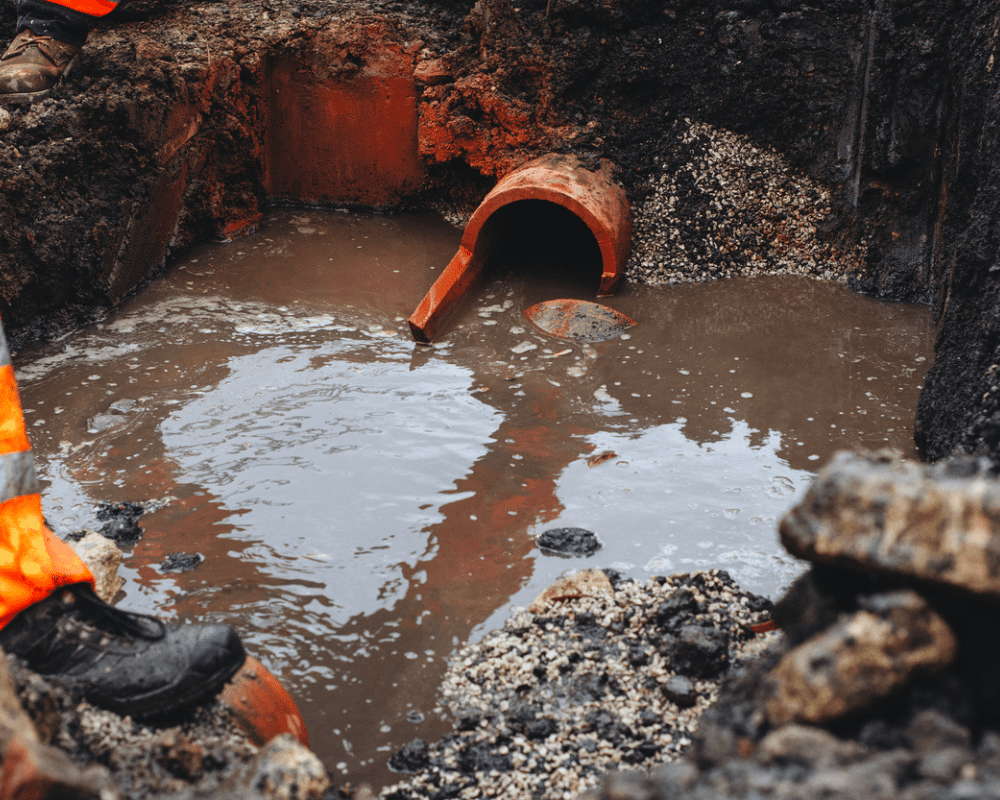
Working within the water sector involves a range of operational environments, each with its own safety risks and regulatory requirements. Two of the most common environments are clean water sites and waste water sites, and each requires specific knowledge to ensure workers operate safely and responsibly.
Understanding the differences between these environments helps workers complete the correct SHEA training and meet the safety standards required across the utilities industry.
What Are Clean Water and Waste Water Sites?
Clean water sites focus on the treatment, storage, and distribution of drinking water. These facilities handle water that will eventually reach homes and businesses for consumption. Because of this, strict hygiene standards and contamination prevention procedures apply to anyone working within these environments.
Waste water sites, on the other hand, manage sewage and used water collected from households, businesses, and industrial processes. These facilities treat waste water before it is safely returned to the environment. Workers in these locations must understand different hazards, including biological risks and chemical exposure.
Because the risks and responsibilities differ between these environments, workers must complete industry-recognised SHEA water training to ensure they understand the correct safety procedures.
What Does SHEA Water Training Cover?
SHEA Water training introduces candidates to the safety standards required across the water industry. The course focuses on hazard identification, environmental awareness, and safe working practices when operating near water infrastructure.
Candidates learn how to recognise risks on site, follow correct procedures when working near pipelines or treatment facilities, and understand how their actions can affect both safety and environmental protection.
Completing this course ensures workers understand how to operate safely across both clean water and waste water environments.
Why Is Hygiene Training Important for Clean Water Sites?
While SHEA training focuses on safety awareness, workers who operate directly within drinking water environments must also understand strict hygiene requirements.The National Water Hygiene Training course teaches workers how to prevent contamination when working around drinking water systems. This qualification is commonly known as the “Blue Card” and is often required before accessing clean water treatment facilities.
What Does National Water Hygiene Training Teach?
National Water Hygiene training focuses on protecting public health. Candidates learn how personal hygiene, equipment handling, and on-site behaviour can affect drinking water quality.
The course covers contamination risks, correct hygiene practices, and the procedures workers must follow when entering clean water environments. Completing this training helps ensure workers maintain the highest hygiene standards when working with drinking water infrastructure.
What Training Do Waste Water Sites Require?
Waste water environments involve different operational hazards compared with clean water facilities. Workers may encounter biological hazards, chemical processes, and large treatment systems designed to process sewage and waste water.
Because of these risks, workers must understand safe working procedures and environmental protection measures before entering these sites.
SHEA Water training plays a key role in preparing workers for these environments by helping them recognise hazards, follow safe working practices, and understand their responsibilities when working within water infrastructure operations.
Why Do Many Workers Need Both SHEA Water and Hygiene Training?
Many roles within the water industry require both SHEA Water certification and water hygiene training. These courses cover different aspects of safety and operational awareness.
SHEA Water training focuses on general safety awareness within water infrastructure environments, while National Water Hygiene training ensures workers understand the hygiene procedures required when working near drinking water systems.
Together, these qualifications help ensure workers can safely operate within both clean water and waste water environments while protecting public health and environmental standards.
Prepare for Work on Water Infrastructure Sites
Working on water infrastructure requires the right training to ensure safety, compliance, and environmental protection. Understanding the differences between clean water and waste water sites helps workers complete the correct training before entering operational environments.
Jason Rowley Ltd provides industry-recognised training designed to prepare workers for safe operations within the utilities sector. Learn more about SHEA Water training or complete National Water Hygiene training to ensure you meet the requirements for working on water industry projects.
If you would like to book a course or discuss training options, visit the Contact page and speak with the Jason Rowley Ltd team today.