
Most utility workers attend a site induction and assume it covers everything they need. It does not. If you work in gas, water, telecoms or multi-utility environments, SHEA training remains essential.
A site induction introduces you to local rules. SHEA training builds recognised, industry-wide competence. They support each other, but they are not interchangeable.
If you want to protect your workforce, meet compliance standards and work across major utility contracts, you cannot rely on inductions alone.
What Does SHEA Training Cover That Inductions Do Not?
SHEA Training covers structured health, safety and environmental knowledge that applies across the utilities sector, not just one site. It builds your ability to identify hazards, assess risk and apply industry-standard control measures in real working environments. Unlike a site induction, it delivers assessed, recognised competence that supports compliance and professional credibility.
What Is a Site Induction?
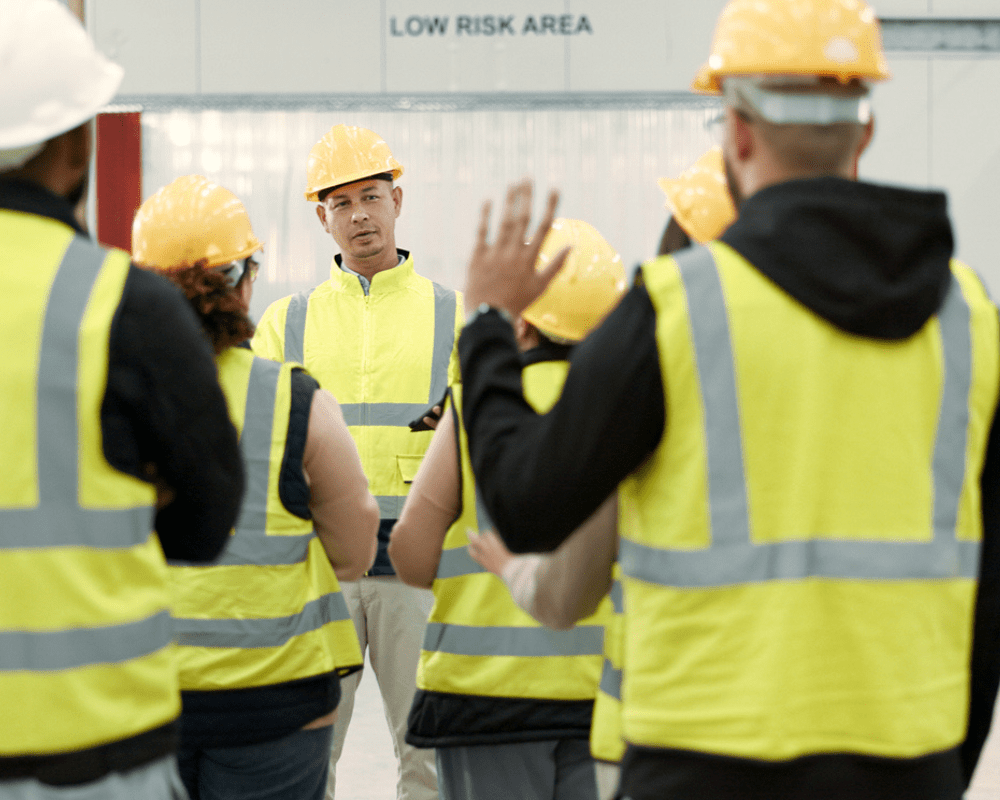
A site induction introduces you to the rules and risks of one specific location. It explains site layout, emergency arrangements, welfare facilities and local hazards so you can work safely on that project. It focuses on immediate, site-specific information rather than wider industry standards.
A site induction does not provide formal qualification or in-depth safety education. It prepares you for that site only.
What Is SHEA Training?
SHEA Training stands for Safety, Health and Environmental Awareness Training. It provides structured, sector-recognised learning designed for utility environments such as gas, water, telecoms and multi-utility operations. You complete formal modules and pass an assessment to gain a recognised SHEA passport.
SHEA Training focuses on core principles that apply across projects and employers. It builds long-term competence, not short-term awareness.
How Does SHEA Training Go Beyond a Site Induction?
SHEA Training goes beyond basic instructions by developing your understanding of safety law, risk assessment and hazard control. It teaches you how to think critically about safety in different environments, not just how to follow rules on one site.
A site induction confirms you attended a briefing. SHEA Training confirms you understand industry standards and can apply them in practice.
SHEA Training builds transferable, industry-recognised competence. A site induction delivers temporary, site-specific guidance.
Why Is SHEA Training Essential in Utilities?
Utilities present high-risk environments. You work near live services, pressurised systems, confined spaces and underground infrastructure. You cannot rely on surface-level briefings.
Does SHEA Training Build Transferable Competence?
Yes. SHEA training gives you knowledge that applies across multiple sites and employers.
A site induction applies only to one location. When you move to a new project, you complete another induction. The learning does not transfer.
SHEA training stays with you. It proves that you understand industry standards, not just site rules.
Can a site induction ever replace formal safety training?
No. An induction introduces you to a site’s immediate environment. Formal safety training like the SHEA courses builds competence that stays with you throughout your career. It ensures you understand why controls are in place, how to respond under pressure, and how to align with legal and industry standards.
What benefits do SHEA courses provide employers and workers?
SHEA Training:
- Improves safety culture and awareness.
- Delivers recognised competence across utility sectors.
- Reduces incidents through structured learning.
- Supports regulatory compliance and assured skills.
Utility site inductions are essential but complementary to formal safety training, not a substitute.
How Do Employers Benefit from SHEA Training?
Employers carry legal responsibility for ensuring workforce competence and regulatory compliance. They must demonstrate that operatives understand hazard identification, risk control and safe systems of work. SHEA training provides structured evidence that supports these obligations and strengthens overall safety standards.
Does SHEA Training Reduce Risk Exposure?
Yes, because structured training improves hazard recognition and decision-making on site. When your team understands risk assessment principles and control hierarchies, they apply safer working practices consistently. This reduces incident rates, operational disruption and potential legal exposure.
Does Formal Training Improve Workforce Confidence?
Operatives who understand why safety procedures exist work with greater clarity and accountability. They identify unsafe conditions more effectively and challenge poor practice when necessary. That level of confidence develops through structured SHEA training, not through a brief induction session.
Why Choose the SHEA Gas Passport?
The gas industry exposes you to live gas systems, excavation risks, confined spaces and emergency response scenarios. Our SHEA Gas Passport course explores these hazards in detail and aligns your training with recognised gas network standards. This depth of structured learning goes far beyond what a site induction can provide.
What Makes SHEA Water Essential for Water Utilities?
For safe operations within water utility environments, structured safety knowledge is essential. Our SHEA Water course provides this in-depth understanding, covering the challenges of contamination risks, treatment chemicals, hygiene controls, and network operations. Crucially, the course teaches you to apply the appropriate control measures in water infrastructure settings. A brief site induction is not a sufficient replacement for this comprehensive safety training.
Why Do Telecoms Professionals Need SHEA Telecoms?
Telecom work involves underground services, overhead infrastructure and interaction with other utility networks. Our SHEA Telecoms course prepares you to recognise these risks and apply safe working practices recognised across the telecoms industry. An induction may explain one site layout, but SHEA Telecoms prepares you for work across the wider network.
What Role Does SHEA Core Play Across Utilities?
If you operate across multiple utility sectors, the SHEA Core course provides a strong safety foundation. SHEA Core focuses on universal health, safety and environmental principles relevant to gas, water, power and telecoms environments. This structured, cross-sector understanding cannot develop through isolated site inductions alone.
When Should You Use a Site Induction?
You still need site inductions as part of a complete safety framework. They provide essential information about local hazards, emergency contacts and temporary conditions. Inductions apply your existing SHEA training knowledge to a specific working environment.
What Is the Correct Role of an Induction?
You should use inductions to introduce local hazards, explain emergency arrangements and confirm site-specific controls. They clarify reporting structures and ensure you understand current operational expectations. Inductions complement SHEA training, but they do not replace the structured competence it provides.
The strongest safety model combines both approaches. You build core knowledge through SHEA training and apply that knowledge through site-specific inductions. This layered approach strengthens safety culture and operational consistency.
What Are the Risks of Treating Inductions as Training?
When businesses treat inductions as a substitute for formal SHEA training, they create significant safety gaps. They risk inconsistent standards, weaker compliance evidence and increased exposure to incidents. They also limit workforce development and reduce their ability to meet client expectations.
Utilities operate in high-risk environments that demand structured, assessed competence. Short briefings cannot replace formal safety education. SHEA training ensures your workforce meets industry expectations and works with recognised qualifications.
Why Choose Us for Your SHEA Training?
We deliver accredited SHEA training designed around real-world utility environments and operational challenges. Our trainers bring sector experience into every session, ensuring you gain practical understanding rather than theoretical knowledge alone. You leave our courses with recognised certification and the confidence to apply what you learn on site.
If you want to strengthen safety standards across your organisation, invest in structured, industry-recognised SHEA training.