
A reportable safety incident places immediate legal and operational responsibility on the employer. From the moment an incident occurs, actions taken by management influence worker welfare, regulatory outcomes, and long-term business risk. Poor decisions during this period often create more damage than the incident itself. Employers need clear processes, trained leadership, and documented control to respond correctly.
This guide explains employer responsibilities following a reportable safety incident and outlines the steps required to protect people, meet legal duties, and reduce the risk of repeat events.
What Is a Reportable Safety Incident?
A reportable safety incident includes serious workplace injuries, dangerous occurrences, and specific work-related health events. UK law places responsibility on employers to recognise when an incident meets reporting thresholds and act without delay.
Employers remain accountable even when incidents involve contractors or temporary workers. Responsibility starts at the point of control, not employment status. Failing to recognise a reportable incident leads to enforcement action and reputational harm.
What Must Employers Do Immediately After an Incident?
Employers must act quickly and decisively following an incident.
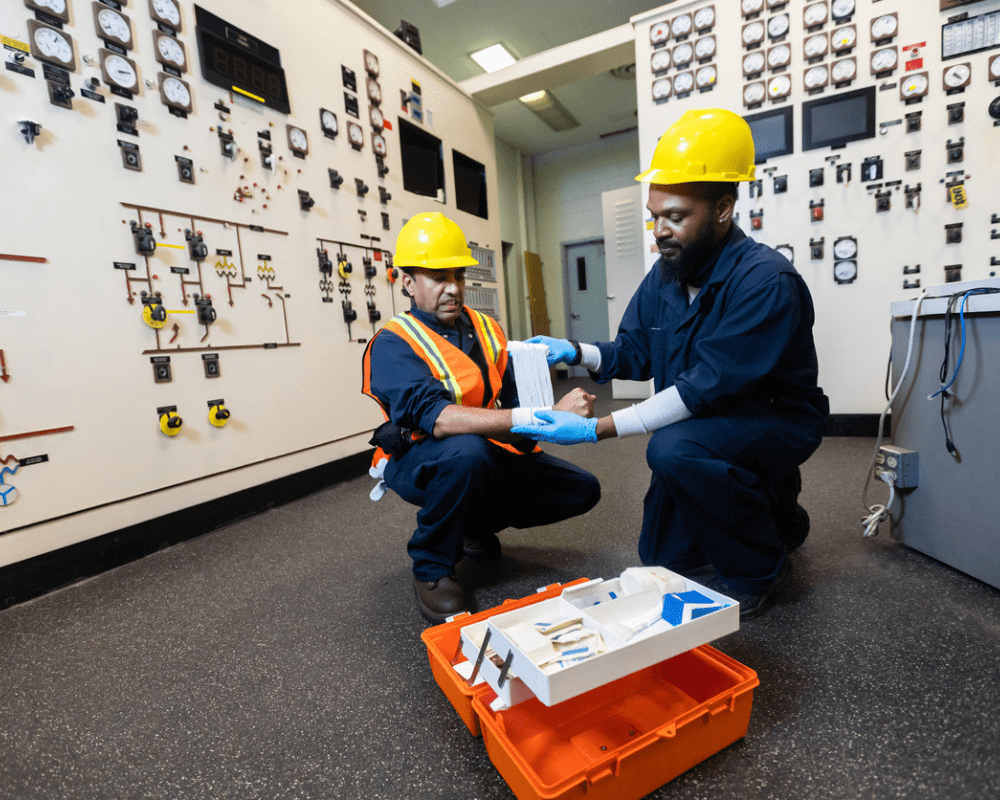
The first priority involves protecting life and preventing further harm. Employers need to secure the area, stop unsafe activity, and ensure injured individuals receive appropriate medical support. This step reduces escalation and demonstrates duty of care.
Employers must also preserve the scene. This includes preventing unauthorised access and avoiding changes to equipment or conditions unless safety requires intervention. Preserving evidence supports accurate investigation and protects the organisation during regulatory review.
Clear communication matters at this stage. Employers should inform relevant managers and safety leads without delay. Confusion or silence often creates secondary risk.
When and How Should Employers Report the Incident?
Employers must report qualifying incidents within required timeframes using the correct reporting channels. Late or incomplete reporting attracts enforcement attention and raises questions around management competence.
Employers need to gather accurate information before submission. This includes incident location, time, individuals involved, injuries sustained, and immediate control measures. Guesswork or assumptions undermine credibility.
Reporting remains an employer responsibility. Delegating the task does not remove accountability. Employers must ensure the report reflects facts and aligns with internal records.
How Should Employers Support Injured Workers?
Employer responsibility extends beyond reporting. Injured workers require clear communication, appropriate medical support, and structured return-to-work planning.
Employers should maintain contact during absence and provide updates on investigation progress. Silence creates mistrust and increases the likelihood of disputes. Clear records of communication protect both parties.
Support also includes reviewing duties and making reasonable adjustments where required. This approach reduces long-term absence and supports recovery while maintaining compliance.
Why Is Incident Investigation an Employer Responsibility?
Employers must investigate reportable incidents to identify root causes and prevent recurrence. Investigations should focus on systems, processes, and controls rather than individual blame.
Effective investigations examine training records, risk assessments, supervision arrangements, and decision-making factors. Employers should gather witness accounts promptly while details remain clear.
Findings must lead to action. Investigations without follow-up demonstrate weak control and attract regulatory concern. Employers should document conclusions and corrective measures clearly.
What Records Must Employers Keep After a Reportable Incident?
Accurate records support compliance and protect the organisation during audits or inspections.
Employers should retain incident reports, witness statements, investigation findings, and corrective action plans. Training records matter at this stage. Regulators often examine whether workers received appropriate instruction before the incident occurred.
Record keeping must remain organised and accessible. Disorganised records signal poor safety management and increase enforcement risk.
How Should Employers Prevent Repeat Incidents?
Preventing repeat incidents requires action beyond immediate fixes.
Employers need to review risk assessments and update safe systems of work where gaps appear. Procedures should reflect real working conditions rather than theoretical controls.
Training plays a central role. Refresher and role-specific training addresses knowledge gaps identified during investigations. Employers should focus on hazard awareness, decision-making, and emergency response rather than generic content.
Jason Rowley Ltd supports employers through accredited safety and utilities training designed to strengthen site behaviour and compliance.
How Does Safety Training Support Post-Incident Compliance?
Training reinforces expectations and clarifies responsibilities across the workforce. Workers understand hazards, reporting procedures, and emergency actions more clearly after structured instruction.
Training also demonstrates employer commitment to improvement. Regulators consider post-incident training a positive corrective action when reviewing compliance.
Accredited training provides consistency across teams, contractors, and supervisors. This consistency reduces reliance on informal knowledge and assumptions.
What Are the Consequences of Failing to Act Correctly?
Failure to manage incidents correctly leads to escalation. Employers face enforcement notices, financial penalties, contract loss, and reputational damage. Investigations often highlight management failures rather than technical faults.
Poor response also damages workforce trust. Workers lose confidence in leadership and reporting declines, increasing long-term risk.
Correct action following an incident reduces these outcomes and supports stronger safety culture.
How Employers Can Strengthen Incident Management Going Forward
Strong incident management starts before incidents occur. Employers should maintain clear reporting procedures, trained supervisors, and accessible safety documentation.
Regular review of training provision supports readiness. Employers benefit from proactive planning rather than reactive correction.
Jason Rowley Ltd works with employers across the utilities and water sectors to support compliance, training, and safer site operations. Contact us today to find out more.