Accidents and medical emergencies can happen anywhere, from construction sites to office desks. Even in well-managed businesses, risks such as slips, trips, falls, or sudden health issues are always present. When these situations occur, the difference between a quick recovery and a serious outcome often comes down to how fast and effectively help is provided.
That is where a qualified first aider plays a vital role. Having trained staff in place ensures immediate care is delivered while waiting for professional medical support. It also helps employers comply with Health and Safety Executive (HSE) requirements, reducing risks and protecting employees.
At Jason Rowley Ltd, we specialise in delivering first aid and AED training across the UK, giving organisations the skills they need to act confidently in emergencies.
What Is a Qualified First Aider?
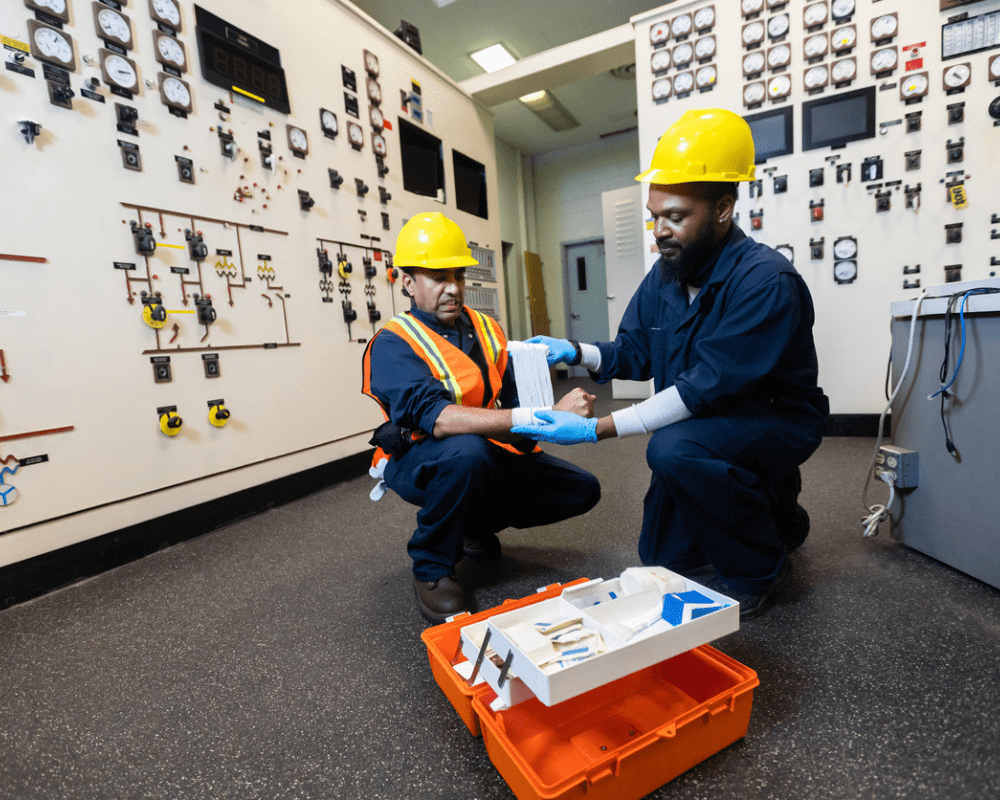
A qualified first aider is an employee who has completed recognised first aid training courses and gained an approved aid certificate. Their role is to provide immediate assistance to anyone injured or taken ill at work, stabilise the situation, and prevent it from worsening until emergency services arrive.
First aiders are not expected to replace doctors or paramedics, but they are trained to recognise life-threatening conditions and respond effectively. For example, they may perform CPR training techniques, operate an automated external defibrillator (AED) during a cardiac arrest, or apply pressure to stop bleeding.
In the UK, first aiders usually complete either the Emergency First Aid at Work (EFAW) one-day course or the more comprehensive First Aid at Work (FAW) three-day course. Both cover essential skills, but FAW training provides deeper knowledge for higher-risk workplaces such as construction sites, gas networks, or utility companies.
Legal Requirements for First Aid at Work
Under UK law, employers must provide adequate and appropriate equipment, facilities, and trained personnel to ensure employees receive immediate attention if they are injured or taken ill. This is outlined in the Health and Safety (First-Aid) Regulations 1981 and enforced by the HSE.
The law requires every organisation to assess its workplace risks and determine the level of first aid provision needed. Factors such as workforce size, workplace setting, and the nature of tasks performed all play a role.
For example, a small office with low-risk activities may only require one trained first aider, while a large gas distribution site may need multiple qualified staff, specialist equipment, and defibrillator training.
Failure to meet these legal requirements can result in penalties, reputational damage, and increased liability for employers. By investing in first aid training courses, companies not only comply with regulations but also demonstrate their commitment to protecting their teams.
The Benefits of Having a Qualified First Aider
The presence of a qualified first aider brings multiple benefits that extend beyond compliance:
Faster Response in Emergencies
Immediate action can save lives. During incidents such as cardiac arrest, choking, or severe bleeding, every second counts. Trained staff can perform CPR, use an AED, and provide critical care until professionals arrive.
Reduced Risk of Complications
By controlling bleeding, clearing airways, or stabilising injuries, first aiders minimise the risk of conditions worsening. This is especially valuable in industries where hazards are common, such as utilities, gas, or construction.
Improved Confidence in the Workplace
Employees feel safer knowing trained colleagues are available to respond in emergencies. This sense of security builds trust and strengthens workplace morale.
Lower Costs and Disruption
Quick and effective response reduces downtime, helps employees recover faster, and minimises the impact of accidents on productivity.
What Training Does a First Aider Need?
Becoming a qualified first aider requires structured aid training courses led by accredited providers such as Jason Rowley Ltd.
Emergency First Aid at Work (EFAW)
This one-day course is ideal for lower-risk workplaces. It covers essential topics such as CPR, bleeding control, managing unconscious casualties, and basic AED training.
First Aid at Work (FAW)
The three-day course provides a deeper level of knowledge and is suited to higher-risk industries. It covers a wider range of conditions, including fractures, burns, chest injuries, and eye problems, along with extended training in emergency scenarios.
AED and Specialist Modules
Many workplaces now include automatic external defibrillator training as standard. This ensures staff can act quickly during a cardiac arrest. Additional modules, such as mental health first aid or early years foundation stage (EYFS) first aid, may also be required depending on the workforce.
Every course focuses on practical skills, real-world scenarios, and ensuring participants can respond effectively in emergencies. Successful completion results in a recognised aid qualification, valid for three years.
Why Employers Should Prioritise First Aid Training
Employers who fail to provide proper first aid provision face serious risks. Without trained staff, even minor incidents can escalate into major health and safety breaches.
A qualified first aider is not just useful in high-risk environments. Offices, retail spaces, and schools all face hazards such as slips, falls, burns, and sudden illnesses. The Health and Safety Executive highlights that even small businesses must meet minimum requirements to keep employees safe.
By investing in aid training, employers protect both staff and reputation. They also reduce the chance of legal action following an accident by proving they took appropriate action to maintain workplace safety.
Workplaces that prioritise first aid training create a culture of safety and responsibility. Staff know their employer values their wellbeing, which increases motivation and loyalty.
The Role of AEDs in Workplace Safety
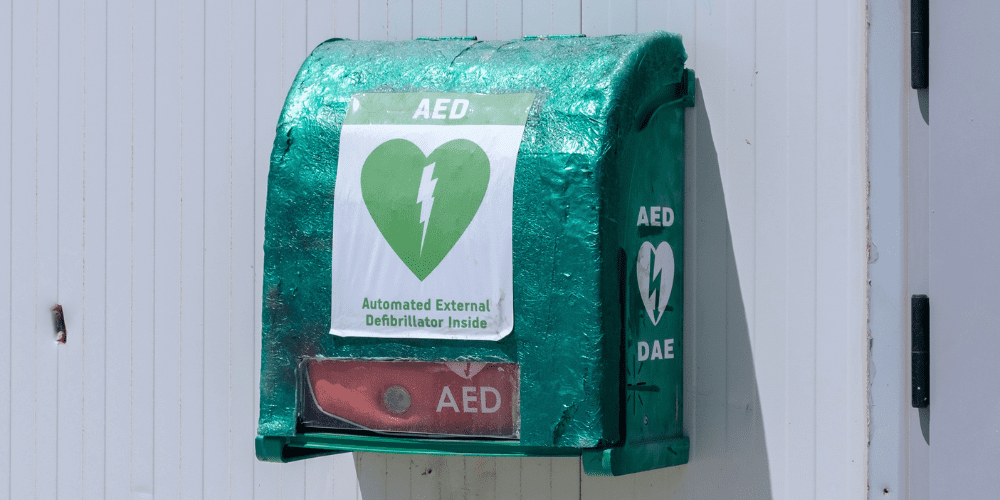
One of the most important elements of modern first aid is AED training. AEDs are portable devices used to restart the heart in cases of cardiac arrest. They are simple to use, with clear prompts, but require first aider training to ensure they are applied correctly.
Sudden cardiac arrest can happen to anyone, regardless of age or health. Survival rates increase dramatically when CPR training and AED use are applied within minutes. By equipping workplaces with AEDs and training staff to use them, employers add another layer of protection for employees, visitors, and customers.
Building Confidence Through Practical Skills
One of the key strengths of professional first aid training is the focus on hands-on learning. At Jason Rowley Ltd, our training team uses scenarios that mirror real emergencies. This ensures participants develop not only knowledge but also the confidence to act under pressure.
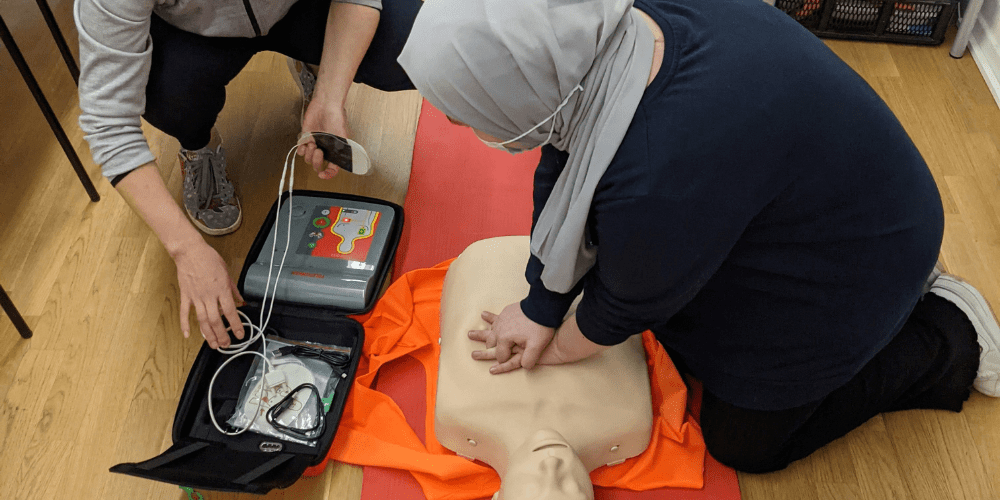
From practising CPR on manikins to rehearsing workplace accident responses, these exercises reinforce learning and prepare participants for real-world incidents. By the end of the course, learners leave with the ability to apply safety behaviours effectively in any situation.
Why Choose Jason Rowley Ltd for First Aid Training?
With extensive experience in health and safety training, Jason Rowley Ltd is a trusted provider of first aid and AED training across the UK. Our courses are designed to meet HSE requirements and are delivered by experienced trainers who bring practical industry knowledge into every session.
We offer flexible delivery, including classroom-based training in Manchester, on-site courses for businesses, and online course options. Whether you need a workplace group session or individual training, we tailor our programmes to suit your organisation’s needs.
All of our aid training courses include clear guidance, hands-on practice, and certification on successful completion, giving your team the qualifications required to comply with UK law and respond confidently in emergencies.
Book First Aid Training at Jason Rowley Today
Every workplace, regardless of size or industry, benefits from having a qualified first aider. From meeting legal obligations to saving lives in critical moments, trained staff play a vital role in ensuring safety and compliance.
At Jason Rowley Ltd, we provide a full range of first aid training courses, including automatic external defibrillator training, Emergency First Aid at Work, and First Aid at Work programmes. Our training combines practical skills with industry expertise, ensuring your team is ready for any situation.
Don’t leave safety to chance. Book your first aid and AED training today with Jason Rowley Ltd and protect your employees, your business, and your peace of mind.
Related Articles
First Aid at Work vs Emergency First Aid: Which Training Do You Need?
The Role of Risk Assessments in Preventing Workplace Accidents